




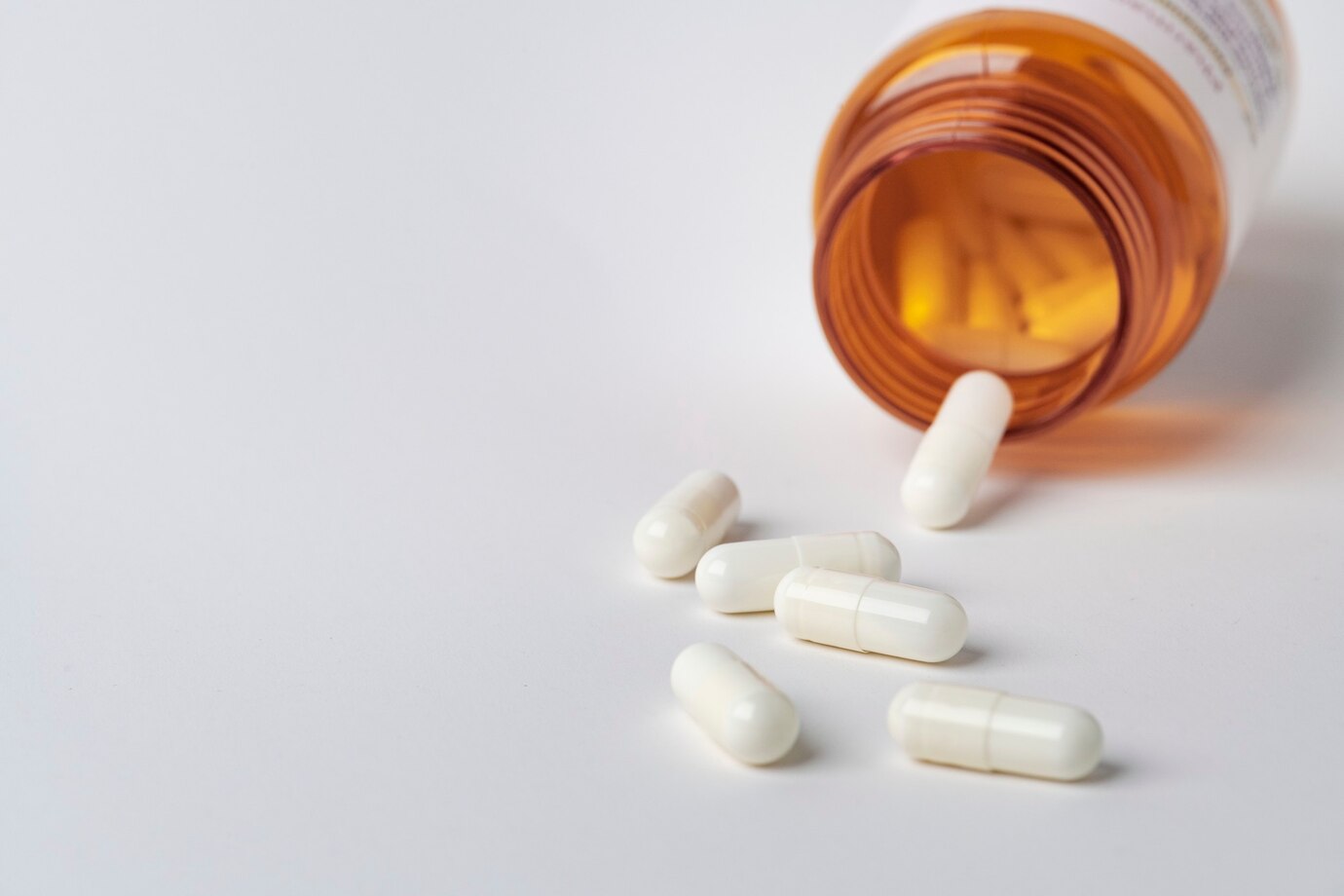
In Russia, the demand for prescription drugs is growing, while over-the-counter drugs see a steady sales decline. According to the analytical company RNC Pharma, from January to May 2025, OTC drugs sales in pharmacies, including online channels, amounted to 311 billion rubles. However, the growth in monetary terms compared to the same period in 2024 reached 12.6%, which is significantly lower than that of prescription drugs, where the increase was 19%. This trend has continued for several years, which has led to a steady reduction in the share of the OTC segment to 40.4% in ruble terms this year (down 1.3% y-o-y).
However, over-the-counter medications are still in the lead in natural units, with 55.8%, but their share in packages is also decreasing (down 1.2% y-o-y).
The largest share of OTC drugs in monetary terms was noted in the Chukotka (56.8%) and Nenets (53.8%) Autonomous Okrugs, which is associated with high retail margins due to geographical remoteness. The lowest rates are in the Chechen Republic (36.5%) and Ingushetia (35.6%), while the highest growth rates of OTC drug sales were recorded in the Chukotka Autonomous District and the Chechen Republic (more than 30% in rubles). The Belgorod Region was the only region where sales growth of over-the-counter drugs (+21.8%) outpaced prescription drugs (+20.3%).
Foreign brands predominate among the sales leaders. The first place belongs to Nurofen (Reckitt Benckiser), with a 1.6% share and sales growth of 22%. It is followed by Detralex (Servier) and TheraFlu (GlaxoSmithKline), with an increase of about 15%.
Analysts noted the greatest growth (+36%) in Creon (Abbott), and the lowest rates among the top drugs were Canephron (Bionorica, +11%) and Cardiomagnil (Nizhpharm, +12%). Decrease in sales was observed in 737 brands out of over 2,000.
Only four Russian drugs are in the top 10. The best result was achieved by Pentalgin (Otis Pharma), which is the fourth place, with sales growth of 13%. Grammidin (Valenta) showed the largest increase among domestic products (+17%).
Earlier, the Healthy Dialogue Association analyzed the index of trust in medicines sold in Russian pharmacies based on data from social networks, It turned out that Russians trust over-the-counter drugs more, especially old, time-proven ones. GxP News found out which brands were mentioned most often.