




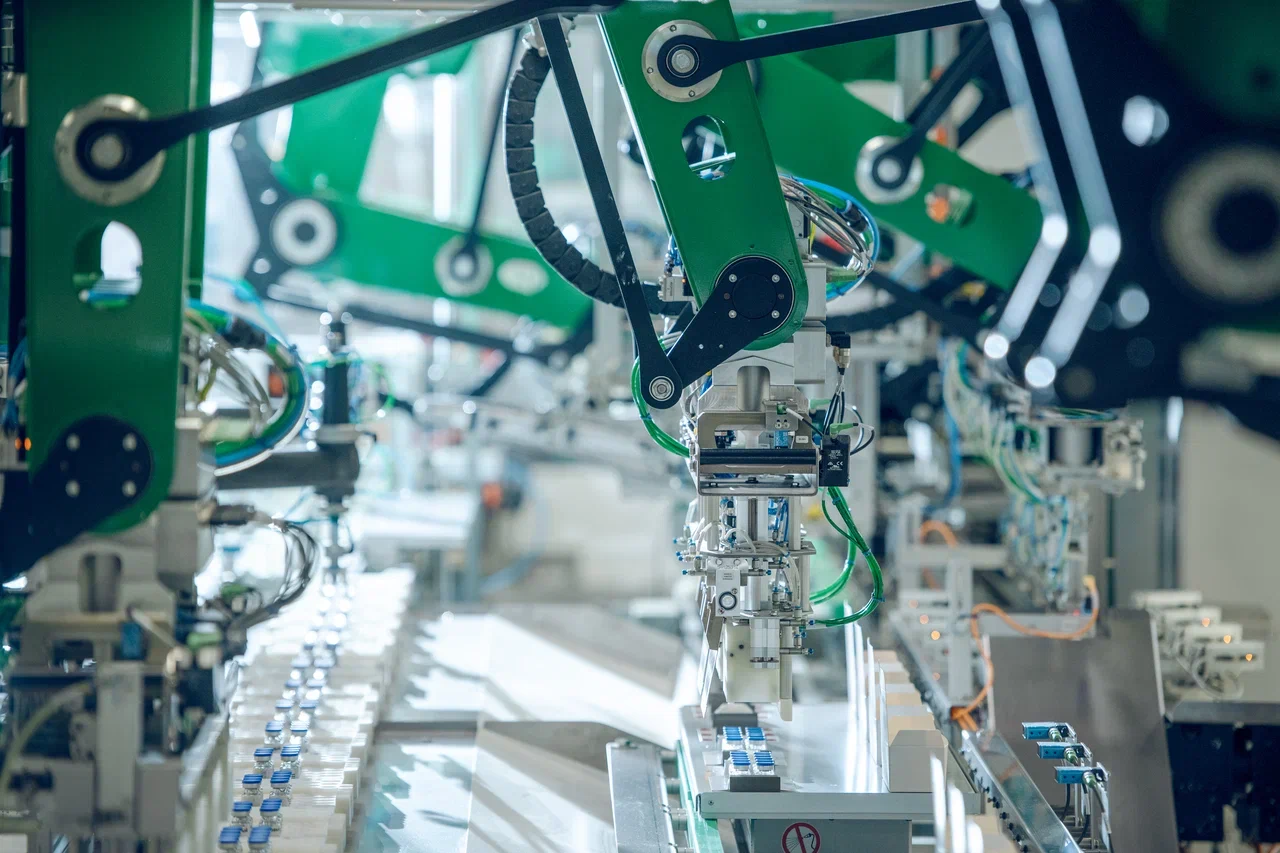
Pharmaceutical company R-Oprah, part of the R-Pharm group of companies, has launched the production of medicines for the treatment of severe forms of chronic kidney disease in the Technopolis Moscow Special Economic Zone (SEZ) in Alabushevo. The company has registered and commenced production of Decalpar (paricalcitol), a drug based on a synthetic analogue of vitamin D. According to the State Register of Medicines (GRLS), this is the first Russian analogue of AbbVie’s paricalcitol.
The new drug is produced in the form of gelatin capsules through a full production cycle — from the synthesis of the active pharmaceutical ingredient, conducting clinical trials, and quality control, to obtaining the finished dosage form,” said Anatoly Garbuzov, minister of the Moscow Government and head of the Moscow Department of Investment and Industrial Policy.
In 2026, R-Oprah will begin supplying immunosuppressants, as well as medications for the treatment of diabetes, cardiovascular, neurological, rheumatological diseases, and ulcerative colitis. Maksim Liksutov, Moscow’s Deputy Mayor for Transport and Industry, noted that the total investment in the development of R-Oprah’s production facilities in the capital’s special economic zone amounted to 8.7 billion rubles.
Paricalcitol is included in the list of vital and essential drugs (VED). According to the GRLS, only R-Oprah and AbbVie have registration certificates to paricalcitol.
The American pharmaceutical giant produces it under the trade name Zemplar, available in the form of capsules and a solution for intravenous administration. The production cycle includes packaging and final quality control, which the company carries out at the Ortat plant (also part of R-Pharm). The other production stages are localized in Italy and Ireland.
Since 2019, when R-Oprah became a resident of the Technopolis Moscow SEZ, the company has created over 280 high-tech jobs. Since the beginning of the year, the plant has produced over 280,000 packages of medicines under offset contracts and is preparing to launch new production facilities where it will make oncology, endocrinology, and neurology drugs.