




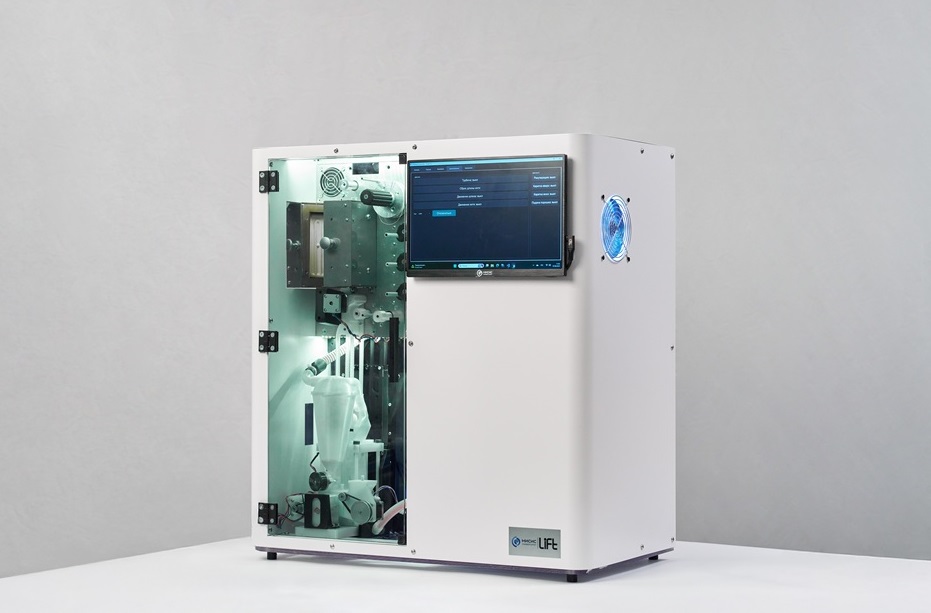
In collaboration with the research center Lift, MISIS University has created equipment for applying antibacterial coatings to surgical sutures. The project to develop surgical suture materials with gradual drug release is being implemented within the framework of the Priority-2030 program, according to the university’s press service.
Sutures with antibacterial coatings and long-lasting antiseptic effects will be the first product created using the scientists’ developed technology for manufacturing polymer surgical materials. Experiments have confirmed sustained bactericidal efficacy of laboratory samples for more than two weeks. Equipment for applying medicinal substances to fibers is nearly completed as part of the project and is scheduled to be launched on October 9.
Surgical sutures and mesh endoprostheses are polymer materials modified with micro- and nanocarriers with controlled drug release at the site of surgical intervention. Depending on the coating, they can possess antiseptic, anti-inflammatory, and wound-healing properties, which can significantly accelerate and reduce the cost of postoperative rehabilitation. Currently, industrial production of such products is limited or absent in Russia, the press service noted.
“Researchers at MISIS developed a device for applying medical coating compositions to surgical sutures. It was developed in just a month and a half, and the first modified sutures have already been produced using it. The university is now working on manufacturing a commercial prototype that can increase the production volume of sutures tenfold,” said Fedor Senatov, director of the Institute of Biomedical Engineering at NITU MISIS.
As previously reported, Russian scientists discovered bacteria in Antarctic soil that could help create new antibiotics against Staphylococcus infections. This discovery is particularly significant given that some infections, including staphylococcal ones, have become resistant to conventional drugs and traditional therapies.