




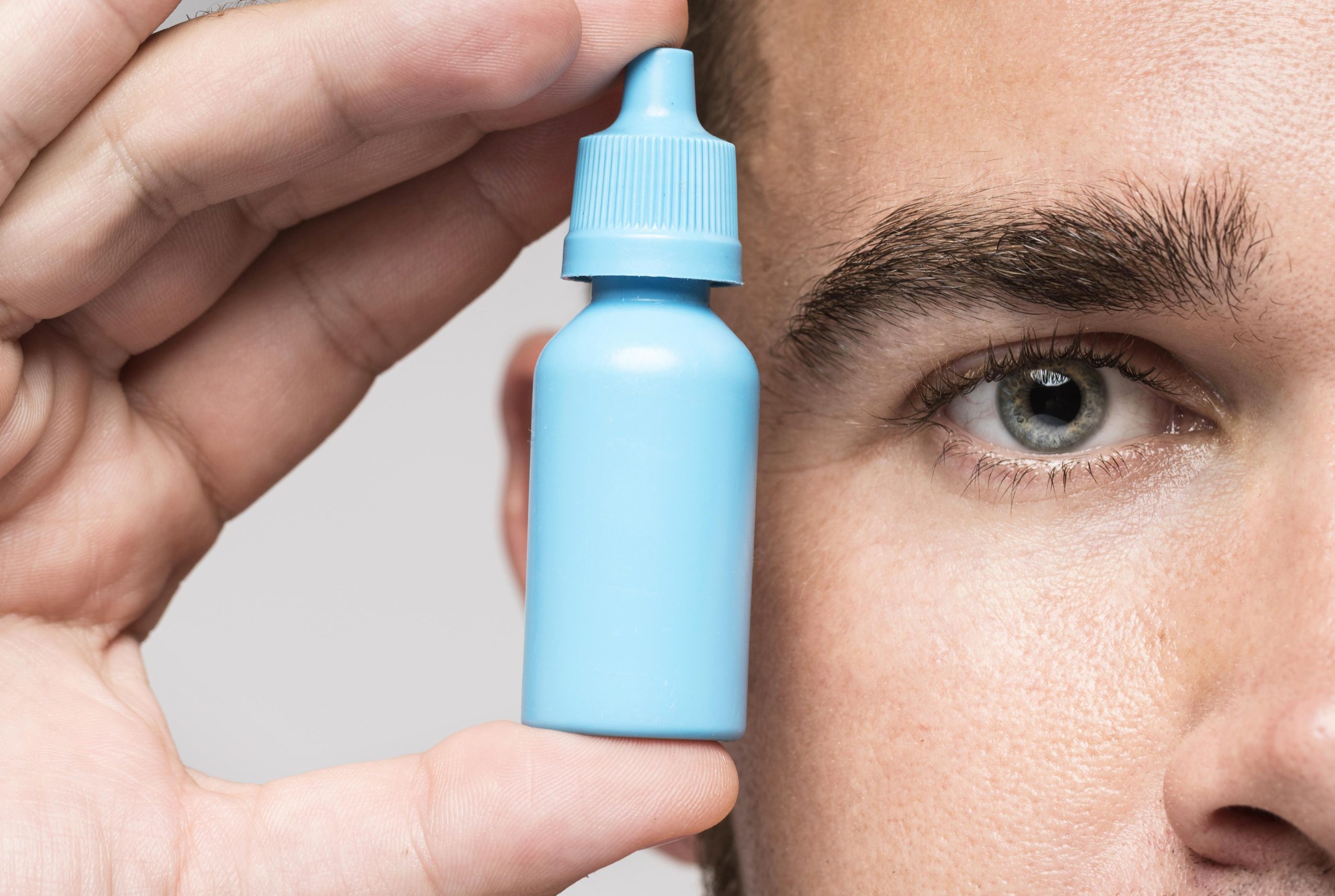
Scientists at the A. P. Nelyubin Institute of Pharmacy, Sechenov University, are developing smart drugs that change shape upon entering the body. Researchers have already patented two such drugs, with the latest being eye drops for local anesthesia that, once applied to the cornea, transform into a gel, the university’s press service reports.
A technology called “in situ drug formation” (from Latin in situ, “on the spot”) involves the drug transforming in response to specific stimuli—such as temperature, pH level, ionic composition of the liquid, or other characteristic factors of the target organ (like the eye, tooth socket, nasal mucosa, or inflammation site). Typically, the drug changes from a liquid into a gel or solid substance.
The lidocaine eye gel drops, patented this year, are designed for local anesthesia prior to laser vision correction and other ophthalmological procedures. The drug is instilled into the eye as ordinary drops, and then, under the influence of corneal heat, it transforms into a gel. This structure allows the drug to remain on the surface of the eye for a longer duration. The university emphasizes that there are no analogs of such gel drops available on the Russian or global markets.
Last year, scientists obtained a patent for an innovative cleanser designed for patients with atopic dermatitis. It is applied as an oil, and upon washing off, the components react to moisture, transforming the product into an emulsion that forms a protective film on the skin.
The university is also developing other promising in situ tools, including those for dental implantation. After tooth extraction, a liquid polymer matrix is injected into the alveolar cavity, where it hardens and gradually releases painkillers, anti-inflammatory agents, and growth factors over the course of a month, aiding in the regeneration of the bone ridge. This approach reduces the risk of complications and promotes faster integration of the implants. Another invention is a vaginal antibacterial spray gel containing chlorhexidine. When sprayed, it forms a gel film on the vaginal mucosa that remains in place without leaking out, providing a long-lasting effect. Nasal drops that transform into a gel on the mucous membrane are currently being tested, along with drug delivery systems designed for targeted treatment of tumors.
The scientists at the Institute of Pharmacy not only develop the drugs themselves — for the first time, they have created a unified methodology for the development of “smart” systems, which will be valuable to researchers worldwide, the press service emphasized.