




Central Research Institute of Epidemiology develops test for Enterobacteria
The Central Research Institute of Epidemiology of Rospotrebnadzor has developed a rapid test for Klebsiella pneumoniae, a conditionally pathogenic gram-negative bacteria from the Enterobacteriaceae family.
The test uses the loop-mediated isothermal amplification (LAMP) method. It has sensitivity comparable to PCR diagnostics but delivers results much faster—in just 30 minutes, the press service of Rospotrebnadzor noted. The key difference between LAMP and PCR is that the former is performed at a constant temperature without the need for a thermal cycler.
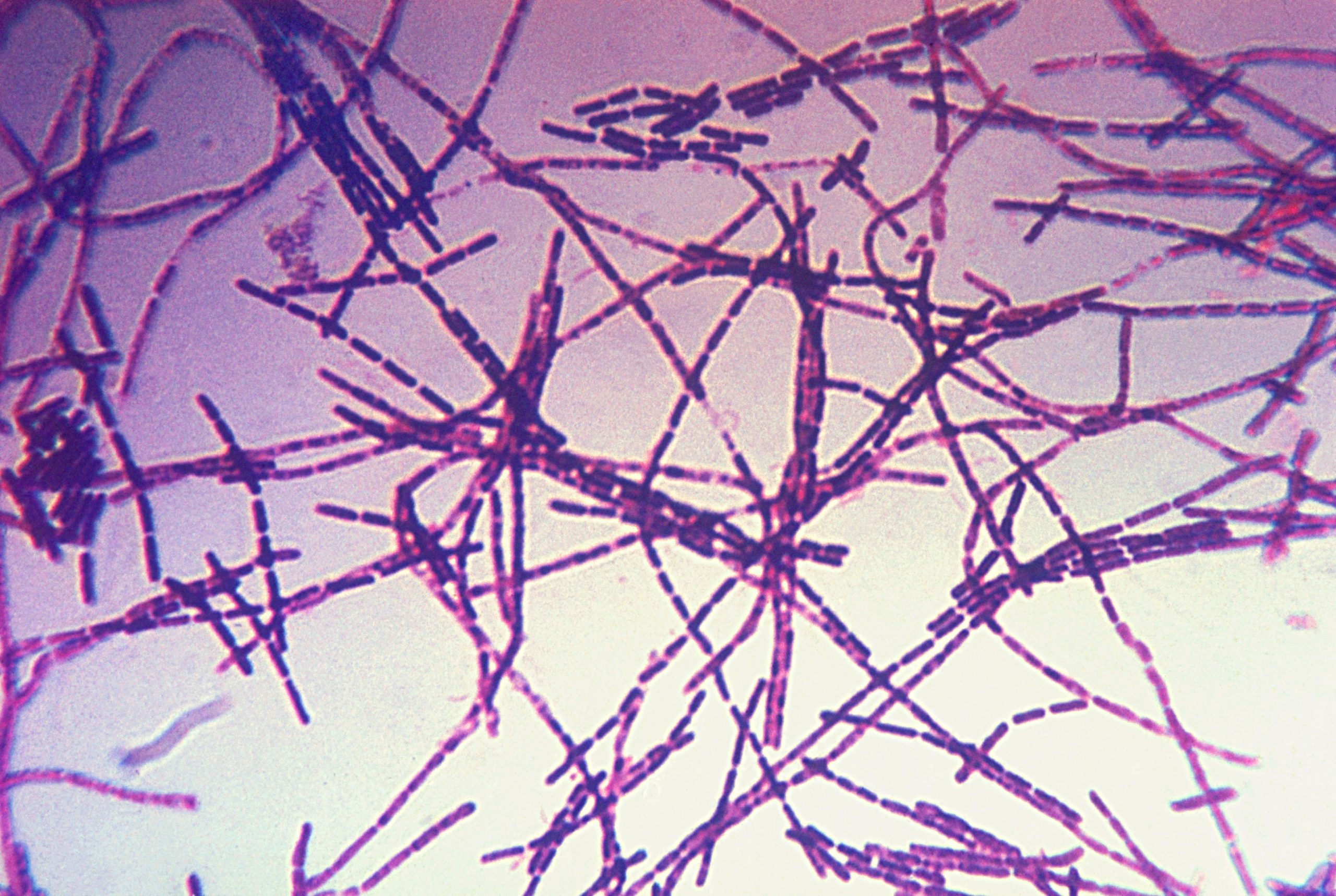
Klebsiella pneumoniae is found in the human large intestine but is also a leading cause of hospital-acquired infections. K. pneumoniae cells are surrounded by a very thick capsule, form biofilms, and produce enzymes that neutralize antibiotics. These bacteria are most dangerous for people with immature or weakened immune systems and can cause pneumonia, urinary tract infections, wound infections, and even sepsis. Some K. pneumoniae strains are known as superbugs, resistant to almost all available antibiotics.
It is noted that the new test “ensures timely treatment and rational antibiotic prescription, which is critically important for saving patients’ lives.”