




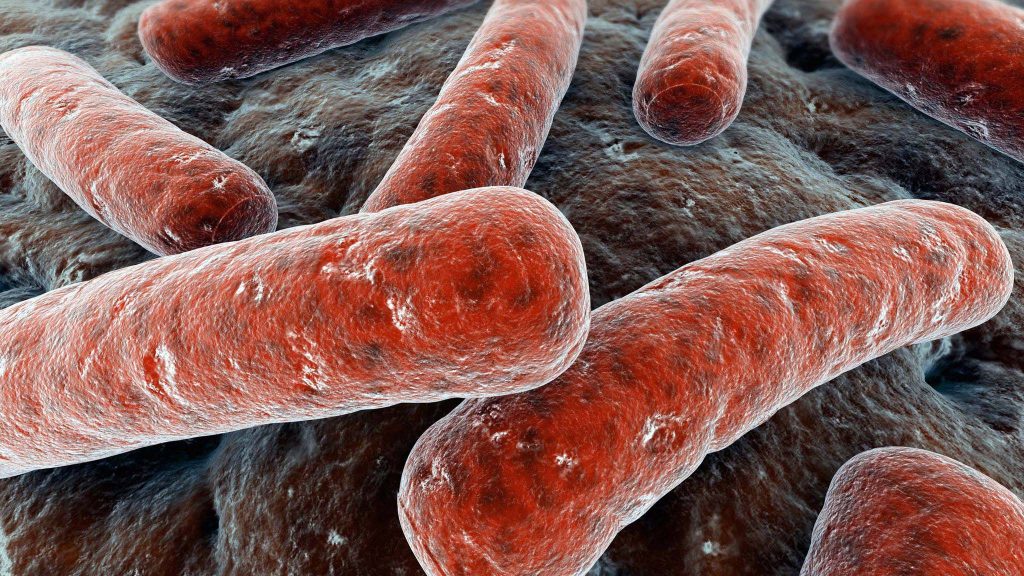
Treatment times for drug-resistant tuberculosis (TB) in Russia have been successfully reduced by 3-4 times. This announcement was made by Irina Vasilyeva, the chief consultant phthisiologist of the Ministry of Health, during an open meeting of the Russian Academy of Sciences’ “Life Sciences” council.
“Thanks to personalized chemotherapy based on the rapid determination of pathogen resistance, we have managed to reduce treatment times for drug-resistant tuberculosis from 18-24 months to six months,” she stated.
The expert noted that Russia holds a leading global position in the rate of reduction of tuberculosis incidence. “Since 2020, we have been updating historical lows annually on key indicators: incidence has decreased by 3.4 times, and mortality by 7 times compared to peak values over the entire observation period. Even during the COVID-19 pandemic, we managed to maintain a positive trend,” emphasized the phthisiologist.
Vasilyeva also presented a drug developed at the National Medical Research Center of Phthisiopulmonology and Infectious Diseases — a liposomal mycobacteriophage, which will help overcome the problem of drug resistance in tuberculosis treatment.
The drug combines two key elements. The first is a mycobacteriophage, a virus that selectively destroys the Koch bacillus (the bacterium causing TB). Phages are natural enemies of bacteria and are effective against strains resistant to most antibiotics. The second is a liposome (a microscopic fat bubble), which acts as “packaging” for the phage. Liposomes are absorbed by macrophages (immune system cells where mycobacteria tuberculosis hide). This allows the phage to destroy the intracellular population of bacteria, which is inaccessible to standard therapy.