




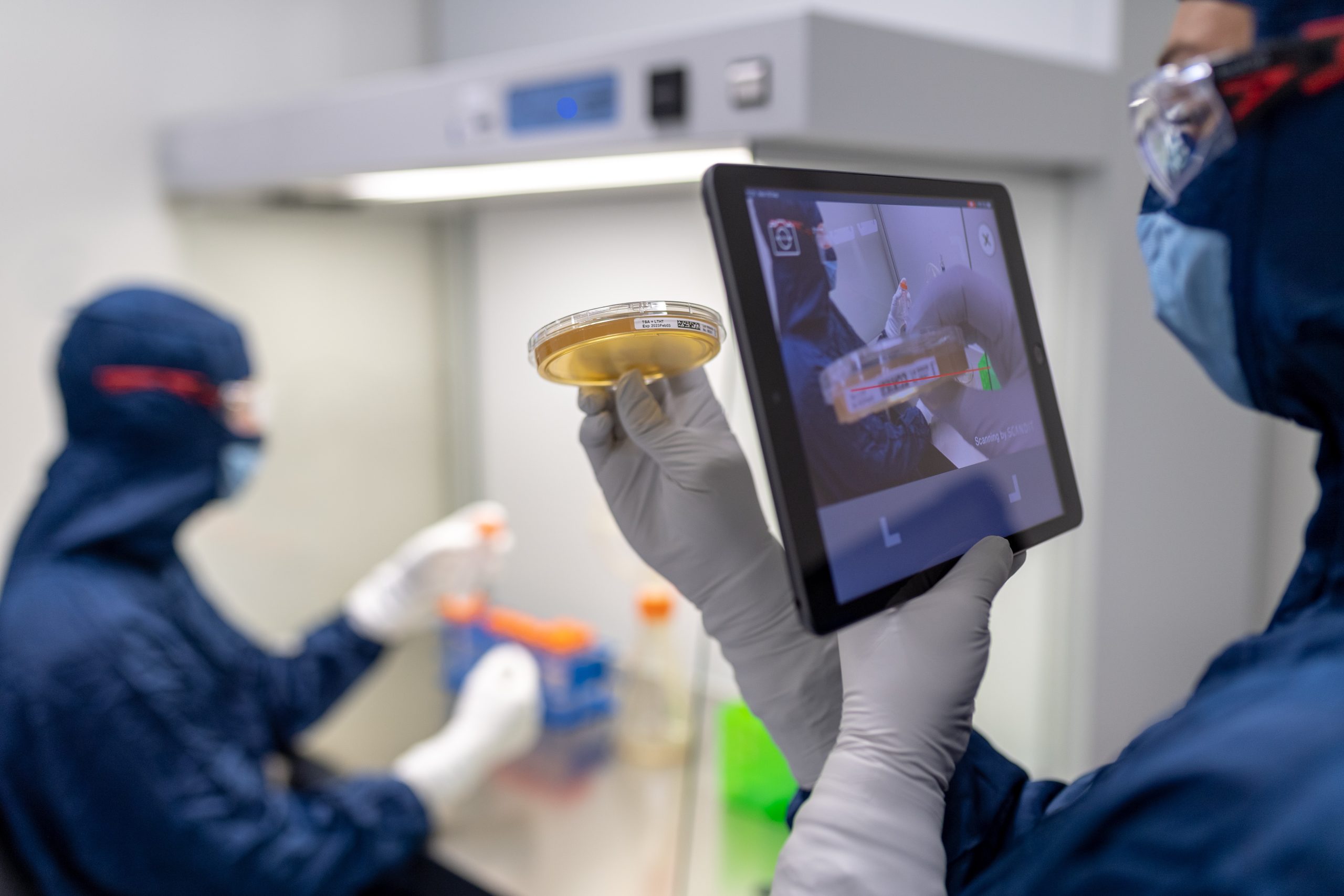
Russian drug manufacturers have begun introducing imported substances into the traceability system: according to data from the operator of “Chestny Znak” (Honest Sign), 3.28 tons of raw materials imported from third countries have been placed into circulation. After verification checks against Federal Customs Service data, the information has been entered into the pharmaceutical substances traceability subsystem. The Center for Advanced Technology Development (operator of Chestny Znak) noted that successful confirmations of active components in the traceability subsystem are being recorded regularly, which helps guarantee product quality at all stages of production.
“We stay in constant touch with all market players and consistently log successful active ingredient confirmations in the raw material traceability system. This proves the system works in practice and ensures product quality and safety across all production stages,” Boris Kushch, head of the socially significant goods department at CRPT, told GxP News.
The Ministry of Industry and Trade reminded that the traceability mechanism for medicines and raw materials used in their production was launched to confirm the full production cycle of drugs within the Eurasian Economic Union (EAEU) — starting from the synthesis of the active pharmaceutical ingredient molecule. The pilot project began in 2023 with the participation of 78 manufacturers and concluded in August 2025.
Since October of last year, automatic data reconciliation has been launched: market participants submit information about the introduction into circulation of products manufactured in Russia or imported from third countries, and the system compares this with data from the Federal Customs Service, the Federal Service for Veterinary and Phytosanitary Surveillance, and the Register of Russian Industrial Products.
This is necessary to achieve the goal set for 2030, according to which 80% of drugs from the list of strategically significant medicines must be produced via full-cycle manufacturing, starting from molecule synthesis. Such drugs will receive priority in public procurement through the “second one out” mechanism, which allows rejecting bids for imported drugs if at least one proposal from a domestic manufacturer with a confirmed full production cycle exists.