
Researchers from the Zelinsky Institute of Organic Chemistry (RAS), the Blokhin National Medical Research Centre of Oncology, the Baikov Institute of Metallurgy and Materials Science (RAS), and the Lebedev Physical Institute (RAS) have developed an implantable system for long‑term stimulation of haematopoiesis. The innovation makes it possible to avoid the daily injections required by patients after chemotherapy. The results of the work, supported by a grant from the Russian Science Foundation, have been published in the Marine Drugs journal.
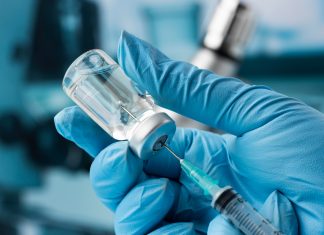
The system is based on a bioresorbable capillary made of an iron‑manganese alloy and coated with polyethylene glycol. Inside is a sulfated polysaccharide extracted from the sea cucumber Cucumaria japonica. The capsule is placed under the skin at the same time as the chemotherapy agents and slowly releases the haematopoiesis stimulator as it dissolves.
Chemotherapy often suppresses bone marrow function, leading to neutropenia, anaemia and thrombocytopenia. Existing haematopoietic stimulators require daily injections for 5–11 days after a treatment course. The development by Russian scientists allows patients to avoid repeated visits to the doctor.
Experiments in mice showed that three days after implantation, the white blood cell count increased by a factor of 1·35 (neutrophils by a factor of 2·7), red blood cells by a factor of 1·25, and platelets by a factor of 3·7 compared with the group that received only chemotherapy.
“Our drug‑filled capillaries can be placed at the same time as the chemotherapy agents. As a result, patients will not have to make additional visits to the doctor,” noted the project leader, Corresponding Member of the Russian Academy of Sciences Nikolay Nifantiev.
It was previously reported that specialists at the Russian Technological University have developed drugs for cancer therapy based on platinum and chlorins. By employing two types of action against the tumour (chemotherapy and photodynamic therapy), these agents are expected to treat cancer more effectively and reduce side effects. According to the researchers, the development opens up prospects for creating new effective treatment regimens for aggressive and resistant forms of cancer.