




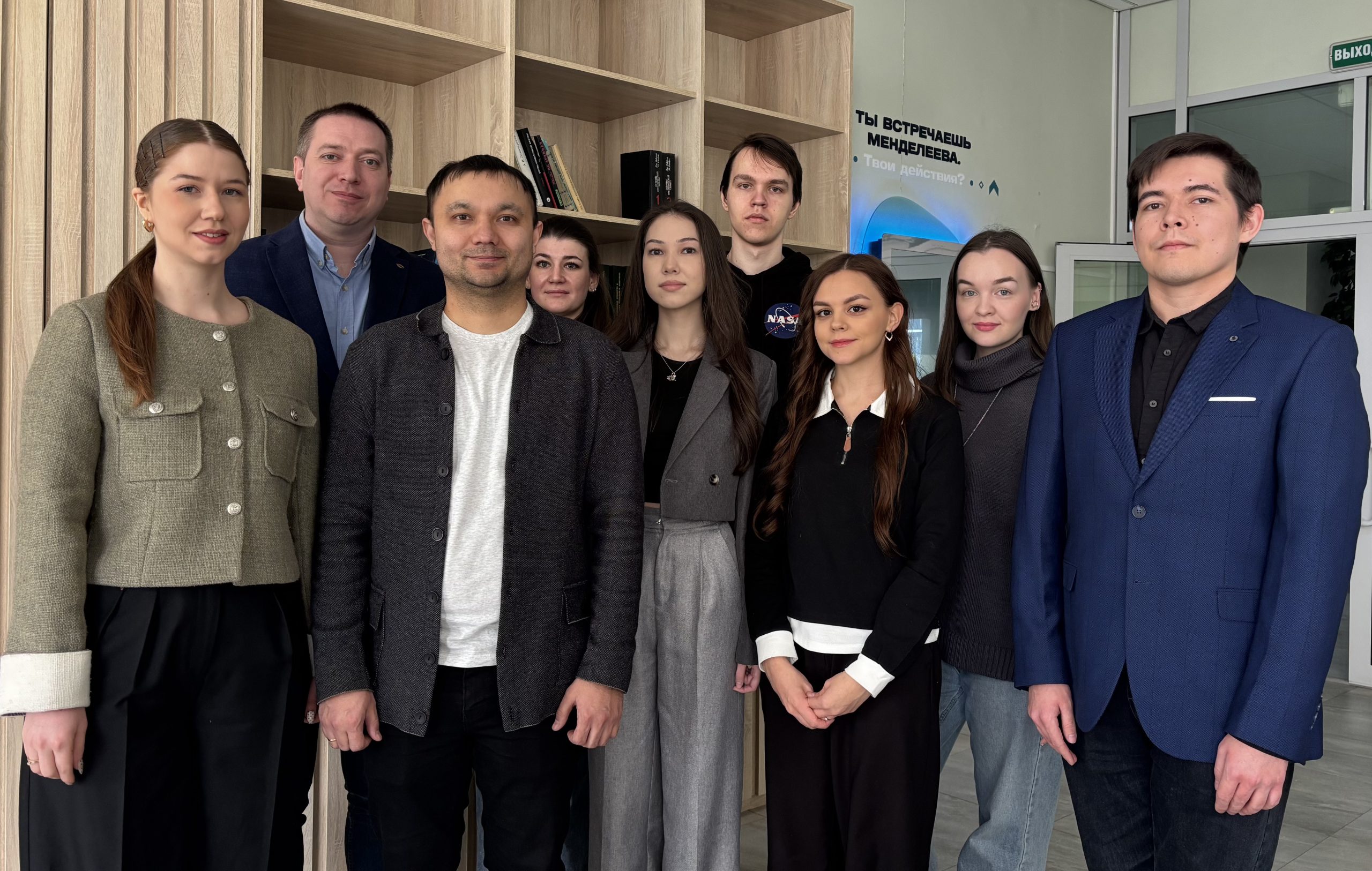
Scientists from Kazan Federal University have synthesized new compounds based on sulfonamides—one of the oldest classes of antimicrobial drugs, which are currently losing their effectiveness. It is expected that, due to additional chemical groups, the obtained molecules will be better absorbed by the human body and will penetrate microbial cells more easily than their predecessors. Potentially, these new substances could serve as the foundation for more effective drugs to treat bacterial infections. The research was supported by the Russian Science Foundation (RSF), which provided a grant for the study. The results have been published in the journal Thermochimica Acta.
“The global rise in antibiotic resistance is one of the key challenges in modern healthcare, and according to forecasts, if left unaddressed, mortality from infectious diseases could reach critical levels by 2050,” states the publication in the scientific journal.
The RSF noted that sulfonamides—drugs that suppress bacterial division by depriving them of essential nutrients—have been known since the mid-20th century, but over time, microorganisms have “learned” to block these compounds.
“Currently, they are typically used in combination with other antibacterial substances that enhance their effectiveness. However, this creates an additional medication burden on the patient, which is why researchers are seeking another way to restore the functionality of sulfonamides,” they added.
According to the publication in the scientific journal, the scientists synthesized molecules based on two sulfonamides—sulfapyridine and sulfamethizole. It is noted that to improve the penetration of the original compounds into bacterial cells, the authors “attached” fat-soluble fragments to them. These fragments made it possible to “mask” a chemical group in the sulfonamides that could hinder their penetration through the cell membrane. However, such fragments often reduce the solubility of drugs. This means that substances containing them would be poorly absorbed in the human body, and only a small portion would reach the target organs and tissues via the bloodstream. To solve this problem, the chemists additionally attached a carbamate group to the molecules—a fragment that increases the drug’s solubility in biological environments, particularly in blood.
After this, the scientists studied how the obtained compounds would behave in a living organism. To do this, they measured how much energy is required to break down these substances and how much energy is released or absorbed during their dissolution.
“The calculations and experiments we conducted allowed us to precisely determine how much energy is needed to convert the molecules we synthesized into an amorphous—more soluble and therefore better absorbed—form. This knowledge will, in the future, enable the development of new effective and safe antibacterial drugs based on long-known but previously ineffective sulfonamides,” noted project leader and senior researcher at the A.M. Butlerov Institute of Chemistry of KFU Ruslan Nagrimanov.
Earlier, media outlets, citing data from the report of the Methodological Verification Center for Antimicrobial Resistance Issues of the Ministry of Health, reported that Russia has recorded an increase in antibiotic resistance in all types of Enterobacteriaceae.