




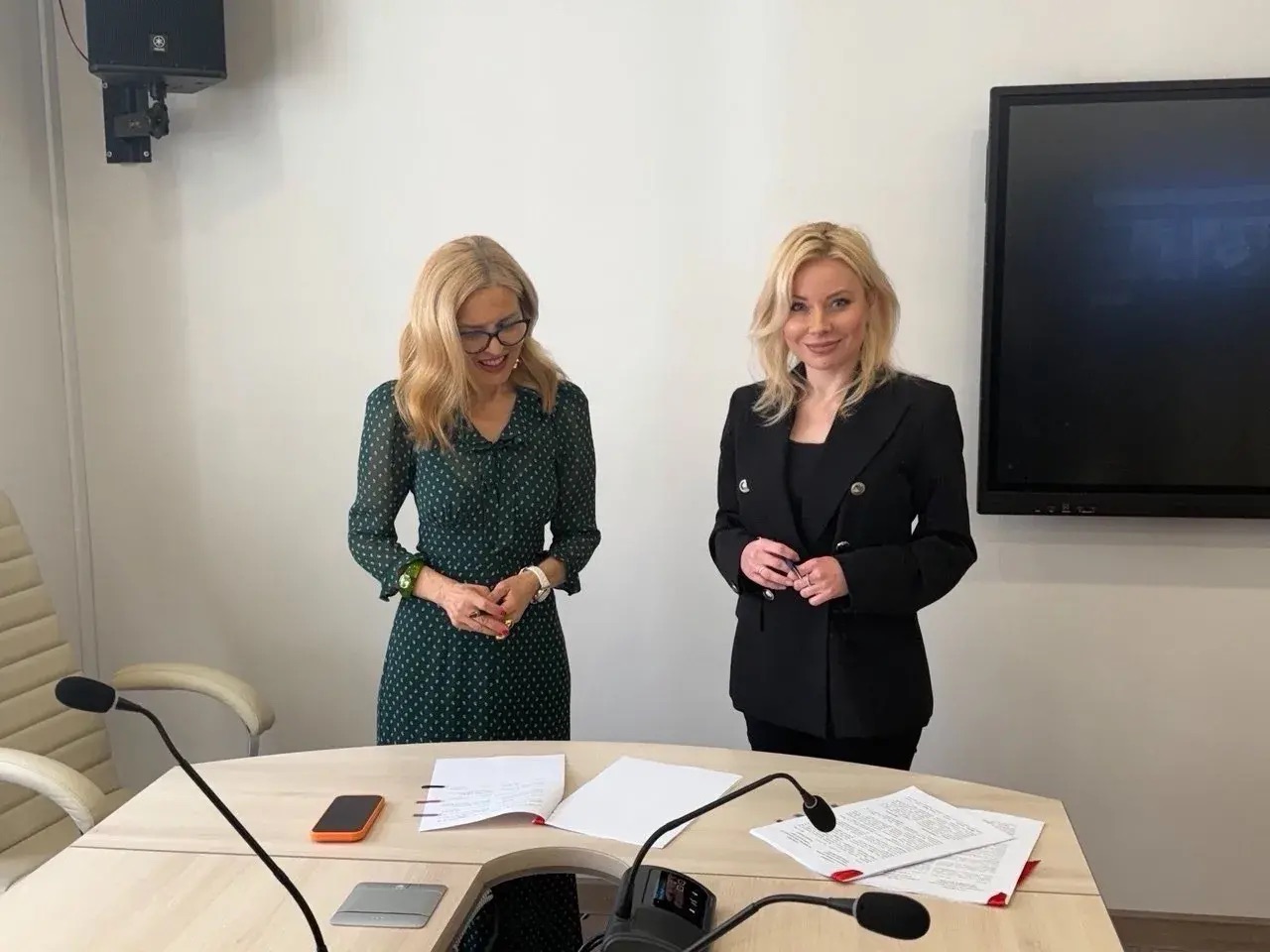
The Russian Association of Gerontologists and Geriatricians (RAGG) together with pharmaceutical companies Egis and Merz have signed an agreement to launch the medical and social project “Cognitive Navigator”. The project will create a practical model for early detection, diagnosis, patient referral and medical and social support for people with cognitive impairment, including Alzheimer’s disease, in Russian regions.
At the signing ceremony, GxP News learned that five pilot regions have been selected: Nizhny Novgorod, Ryazan and Tula regions, and the republics of Bashkortostan and Tatarstan. The plan includes setting up “Memory Clinics”, integrating cognitive screening for people aged 65 and over into regional health check-up protocols, and formalising the patient pathway – from initial consultation to specialised care and social services.
RAGG is the lead expert partner, helping to develop organisational and clinical approaches, train regional teams and primary care doctors in screening and patient referral, and provide methodological support for the project. Egis and Merz are supporting educational, informational and expert activities, helping regions build a sustainable system of care for patients with memory disorders and their families.
The challenge facing geriatricians, neurologists and psychiatrists today is early detection and prevention of cognitive impairment. According to current medical statistics, in 85% of diagnosed dementia cases, patients seek specialist help too late – when the window for effective drug therapy has already closed.
In the pilot regions where the collaboration with pharmaceutical companies is beginning, non-governmental organizations, social services and family members of patients with Alzheimer’s and other cognitive disorders will also be involved. According to Olga Tkacheva, chief geriatrician of Russia’s Health Ministry and director of the Russian Gerontological Research and Clinical Centre, one important component of Cognitive Navigator is educational work and combating “ageism”.
“Ageing can be successful, cognitive function can be preserved, and we really can extend that cognitive function – that is what we need to talk about,” Tkacheva told GxP News. “I think that in a year we will see the effectiveness of the multidisciplinary teams we have created, the trained primary care doctors, and we will draw media attention to this problem. This is a unique case where public organizations, NGOs, pharmaceutical companies and government institutions are coming together to work on one important issue.”
Drug therapy for cognitive disorders exists and can be effective if diagnosis is made in time. Today, in most cases, patients are diagnosed at an advanced stage, when drugs are no longer as effective. But the medical community can manage early diagnosis if patients and their families, seeing a problem emerging, turn to a doctor.
During the implementation of Cognitive Navigator, a model of medical and social care will be created in the pilot regions, which is then expected to be integrated into the Russian healthcare system and fill the knowledge gap on diagnosis, treatment, social issues and even care for severely ill patients.
“This is not just an educational project for doctors, it is also methodological information support for patients and their families,” said Olga Dukhanova, general director of Egis. “We are proud to be part of an important medical and social project that matters greatly to Russian patients. We are all human, and we see the problems that arise when a loved one falls ill. So if there is an opportunity to participate in projects of such professional and human scale, Egis will support these initiatives.”
Dementia represents a national challenge. Polls indicate that one in five Russians has in some way come into contact with the condition through a relative, friend, acquaintance or workmate. WHO data show that around 57 million people worldwide suffer from dementia, and up to 80% of cases are due to Alzheimer’s disease. In Russia, expert estimates put the number of such patients at 1.5-2 million, but officially registered cases are several times lower. The real figure is hidden behind incomplete statistics and the absence of a federal registry, and the forecasts are troubling: by 2050, the number of dementia patients in the country could rise to 3-4 million.
“The success of the project depends on synergy across all stages,” said Olga Stepanova, head of Merz’s Russian division. “Each step creates conditions for the next, building a continuous chain from awareness of the problem to receiving help. This systematic approach turns the project into an optimal and sustainable model ready for scaling to all regions of the country. Our company supports the medical community by providing up-to-date information on the diagnosis and management of patients with cognitive impairment.”