




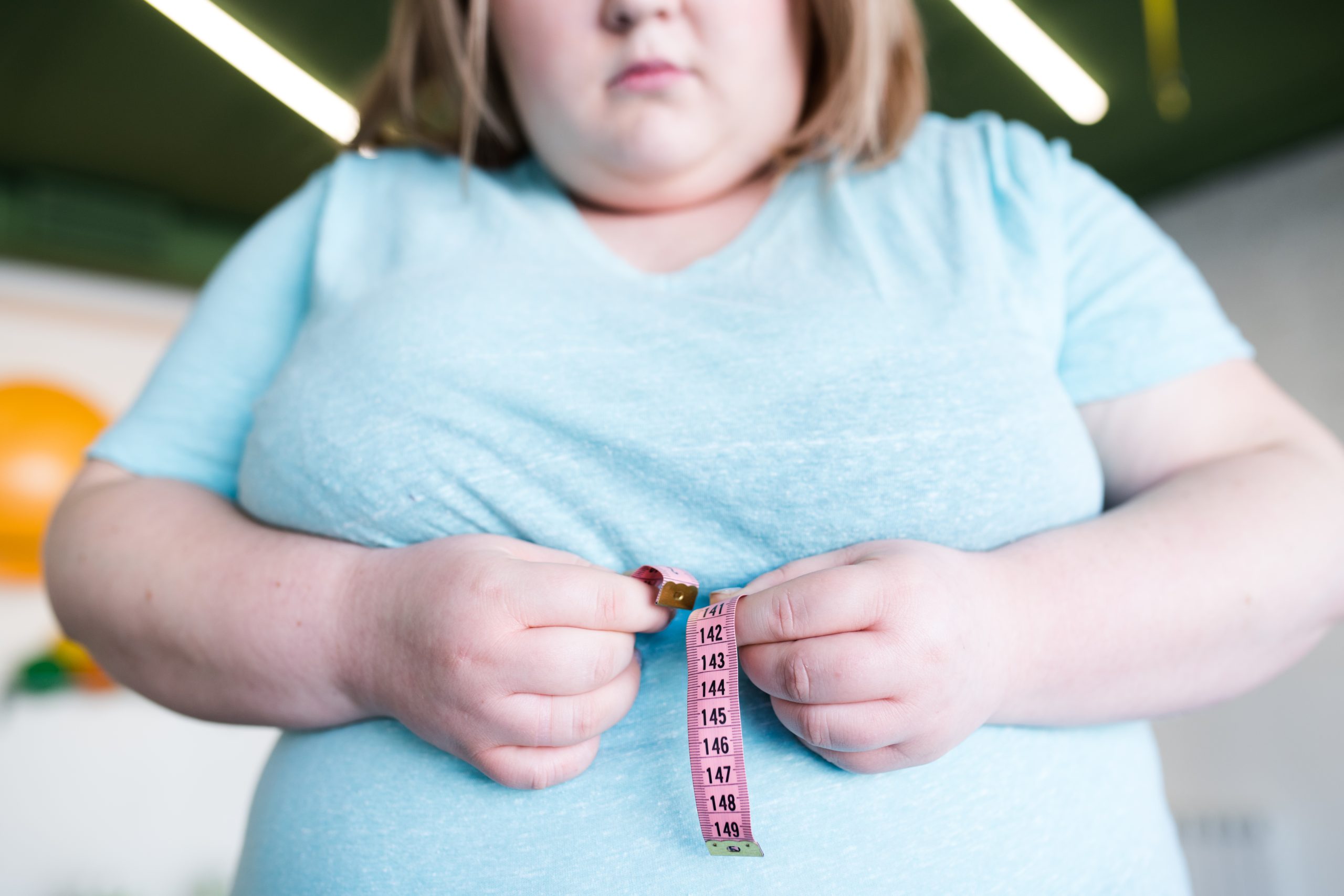
The Russian Health Ministry has approved a new standard of medical care for children with obesity, replacing the regulation that had been in effect since 2022. The document expands the list of treatment methods and adjusts the composition of relevant specialists. In addition, the ministry has increased the supply standard for obesity drugs – orlistat and liraglutide – for children.
The probability of receiving these drugs under medical care increased from 0.04 to 0.13. Average course doses were also raised: for orlistat from 97,200 mg to 105,480 mg, and for liraglutide from 810 mg to 879 mg.
The updated list of surgical treatments now includes sleeve gastrectomy, gastric bypass and gastric banding. Therapeutic exercise has been removed from the list of non-drug methods.
The list of physicians for consultations now includes a dietitian and an otorhinolaryngologist. In addition, a geneticist, neurologist and paediatric endocrinologist already see patients. In inpatient settings, daily examination by a paediatric surgeon has been added; in outpatient settings, an initial consultation with a paediatrician is now included. A primary consultation with a paediatric endocrinologist has been added alongside repeat and follow-up visits.
According to the National Medical Research Centre for Endocrinology, more than 600,000 children in Russia have a diagnosis of obesity, and 18.8% are overweight. The actual number could be as high as 6 million. Childhood obesity causes irreversible damage to the musculoskeletal, cardiovascular and reproductive systems. Being overweight multiplies the risk of heart attack, stroke and type 2 diabetes by the age of 30‑40.
Since January 2024, a comprehensive set of measures to combat childhood obesity has been implemented in Russia. The programme involves 11 government agencies and six federal institutions, including four national medical research centres, as well as regional bodies and specialised NGOs.
At the Semashko Russian Pharmaceutical Forum in St Petersburg, drugmaker Geropharm announced that it plans to complete clinical trials of a semaglutide-based drug for treating overweight and obese adolescents as early as 2026. At the same time, the manufacturer is conducting a trial of another obesity drug for adolescents containing tirzepatide, for which it received approval last year.