




An innovative therapy for mucopolysaccharidosis type II (Hunter syndrome) – intracerebroventricular administration of the drug idursulfase beta – has been launched in Russia, according to the Telegram channel of the Krug Dobra (Circle of Kindness) Foundation. It is noted that Russia has become the second country in the world after Japan where such therapy is available.
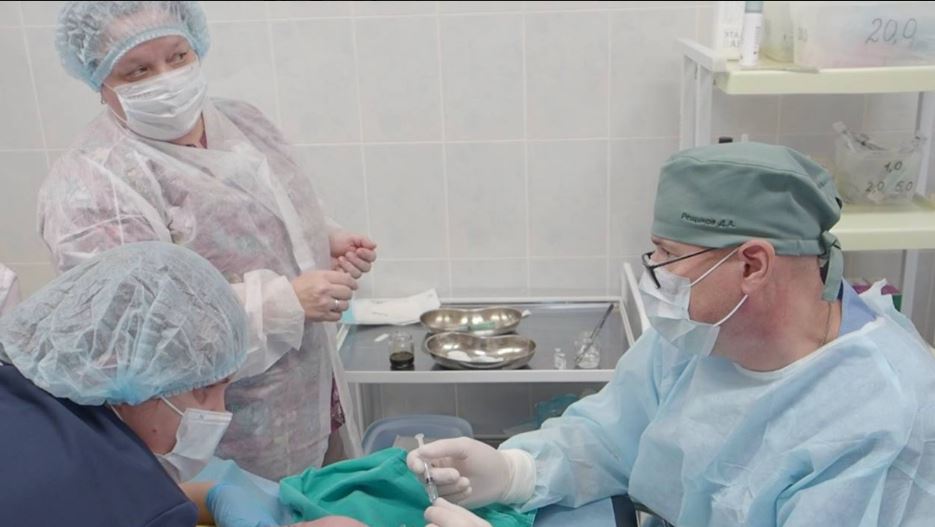
The placement of a special Ommaya reservoir system and the administration were performed at the Russian Children’s Clinical Hospital. Intracerebroventricular administration means the enzyme required for treatment, which breaks down complex carbohydrates, is delivered directly into the ventricles of the brain – previously, patients received the drug intravenously.
As noted in the report, the innovation is designed to help children with the severe form of the disease, where standard enzyme replacement therapy cannot halt the progressive damage to the brain. The reason is that when administered intravenously, the enzyme cannot cross the blood-brain barrier.
Idursulfase beta as a solution for intracerebroventricular administration has been on the list of drugs procured by the foundation since June of this year. The drug, marketed under the trade name Huntersaze Neuro and manufactured by the South Korean GK Biopharma Corporation, is represented in Russia by its local partner company NANOLEC, the press service reported.
Hunter syndrome is a rare, inherited disorder caused by a deficiency in the enzyme iduronate-2-sulfatase, which leads to the buildup of complex sugars (glycosaminoglycans) in the body’s cells. This accumulation progressively damages organs and the central nervous system.